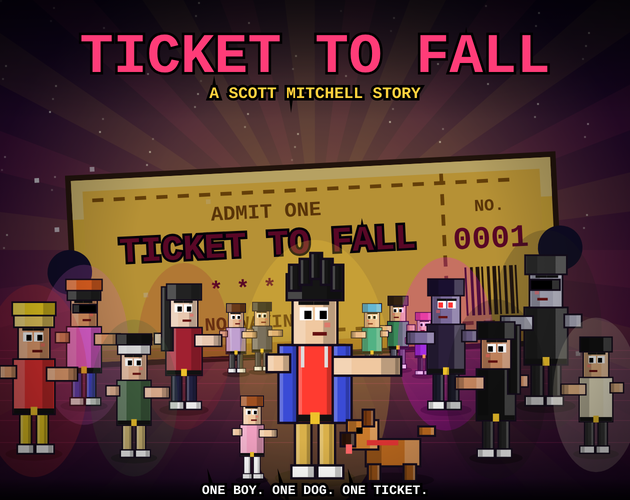
Ticket To Fall
TICKET TO FALL: A SCOTT MITCHELL STORY
One Boy. One Dog. A World Full of Demons.
Ticket to Fall: A Scott Mitchell Story is a story-driven, pixel-art action game that follows Scott Mitchell, an ordinary boy caught in a world that is far more complicated than it first appears. Beneath its colourful retro visuals, strange enemies, and intense battles lies a journey about growing up, facing difficult truths, and discovering that sometimes the hardest fights are not the ones happening in front of you, but the ones happening inside you.
Scott's story begins with something simple: one boy and one dog. But as the journey unfolds, players are drawn into a world filled with mysterious encounters, dangerous enemies, challenging battles, and moments that encourage them to look beyond what they see on the surface. What begins as an adventure gradually becomes something more personal. Every encounter presents a new challenge, and every victory raises the question of what it truly means to win.
Scott is not presented as an untouchable hero who has everything figured out. He is a character whose journey is defined by the things he experiences, the choices he makes, and the challenges he must overcome. His world is not always fair, and his battles are not always straightforward. As he moves through different stages, players must help him face the demons standing in his way while discovering more about the story behind his struggles.
Meet Scott Mitchell
Scott Mitchell is the heart of Ticket to Fall. He represents the kind of character who must keep moving forward even when the world around him becomes difficult to understand. He does not need to be the strongest person in the room to be worth rooting for. What makes him interesting is the possibility that, like many people, he may have to discover his own strength through the very experiences he wishes he could avoid.
Scott's personality and defining traits
Resilient: Scott's journey is built around facing obstacles rather than avoiding them. His resilience is reflected in the game's combat and progression, where each new encounter challenges the player to adapt, learn, and continue moving forward. He embodies the idea that falling is not necessarily the end of the journey. Sometimes, it is the beginning of understanding what it takes to stand again.
Courageous, even when things are uncertain: Courage does not mean being fearless. It means continuing despite fear, confusion, or uncertainty. Scott's battles against increasingly dangerous enemies reflect this idea. He is placed in situations where success depends on confronting what stands before him rather than simply running away from it.
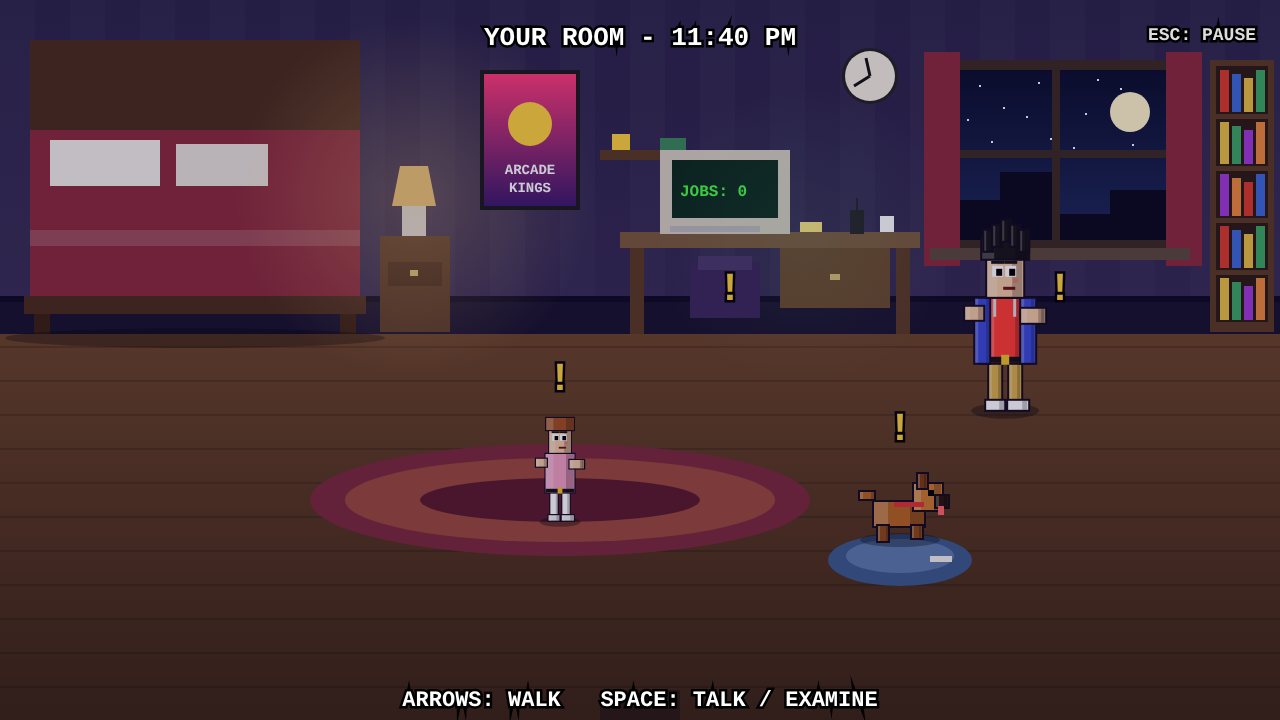
Curious and observant: Scott's world is one to be explored. Through environmental exploration, interactions, and examining objects, players can engage with the world beyond its combat encounters. This gives Scott's journey room to breathe and encourages players to pay attention to the details around them rather than treating every stage as just another fight.
Vulnerable and human: One of the most compelling aspects of a character-driven story is the space it leaves for vulnerability. Scott's journey explores the tension between what happens to a person and how that person feels about it. A victory may solve an immediate problem without necessarily bringing peace, and surviving an encounter does not mean that every question has been answered. This emotional tension is part of what gives the story its identity.
Determined: Scott's determination is reflected in the forward movement of the adventure. As players progress through different stages, they encounter new threats that require them to pay attention, recognise patterns, and approach each situation thoughtfully. His journey is not about succeeding without difficulty; it is about finding a way through difficulty.
Protective and compassionate: The relationship suggested by the game's opening, 'One Boy. One Dog.', gives the story a personal foundation. The dog is more than a visual detail in the premise: it establishes a connection that can make the adventure feel intimate and relatable. The presence of companionship also creates a contrast with the dangers Scott faces as the story develops.
Imperfect and relatable: Scott is a protagonist whose appeal comes from the possibility of change. He does not need to have every answer or make every situation look easy. His struggles allow players to connect with the idea that people are constantly learning how to deal with the world around them.
These traits are central to the way Scott can be understood as a character. His deeper history, motivations, and relationships are revealed through the experience of the game, allowing players to discover his story as they play.
A world where the battles go deeper
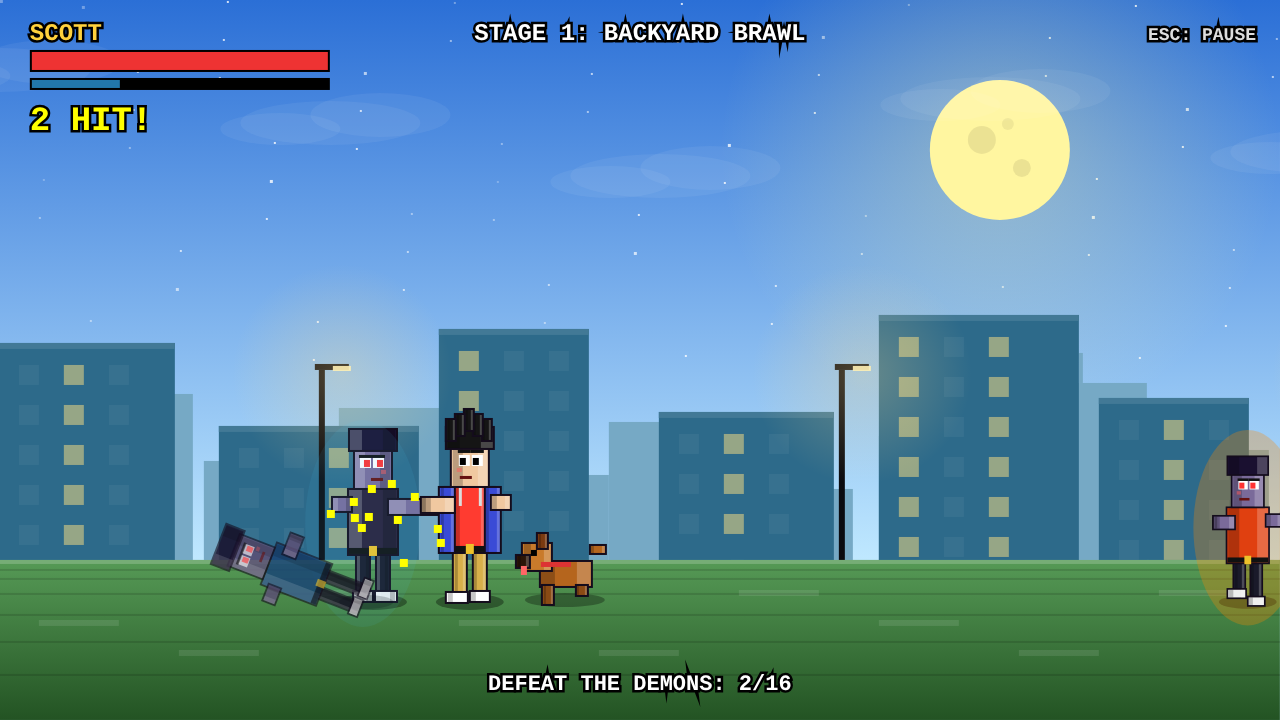
Ticket to Fall combines retro-inspired pixel-art presentation with action-oriented gameplay and narrative moments. Its world moves between quieter scenes, where players can explore and interact, and combat encounters, where timing, positioning, and awareness become important.
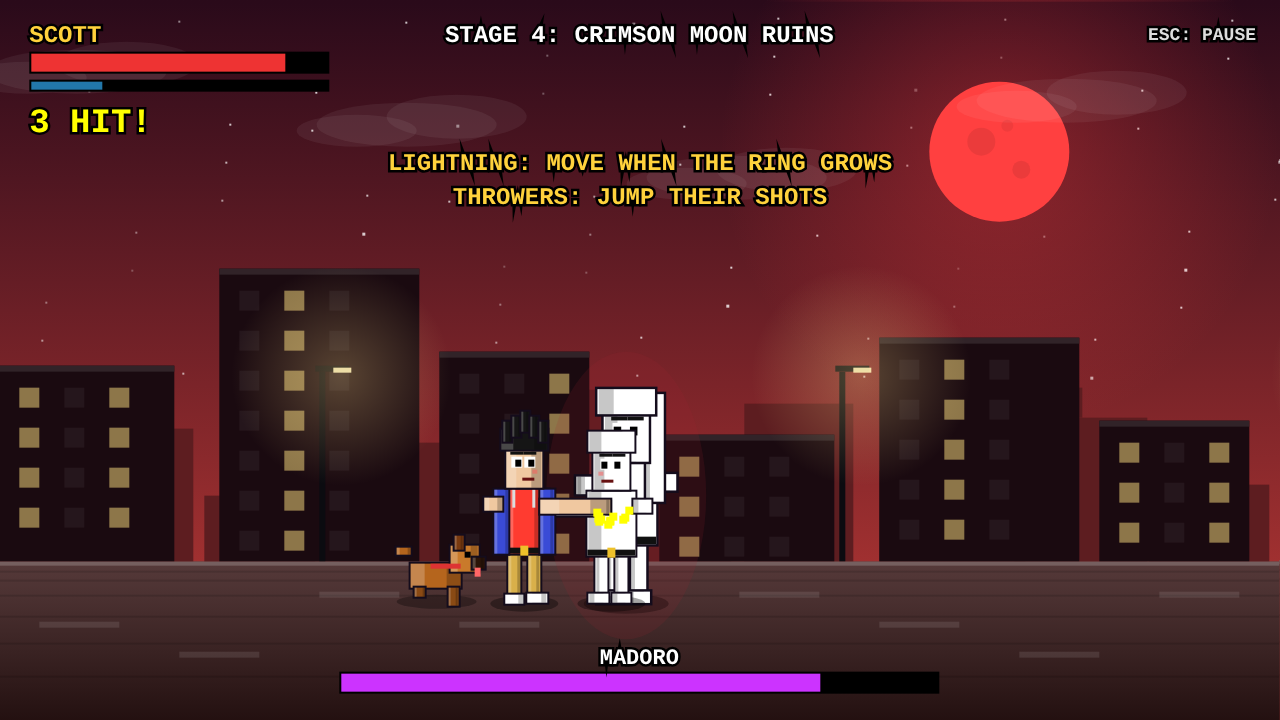
The game features multiple stages, distinct enemy encounters, and battles against different kinds of demons. The enemies are not all approached in the same way. Some create pressure through their attacks, while others introduce hazards or mechanics that require the player to prioritise threats carefully.
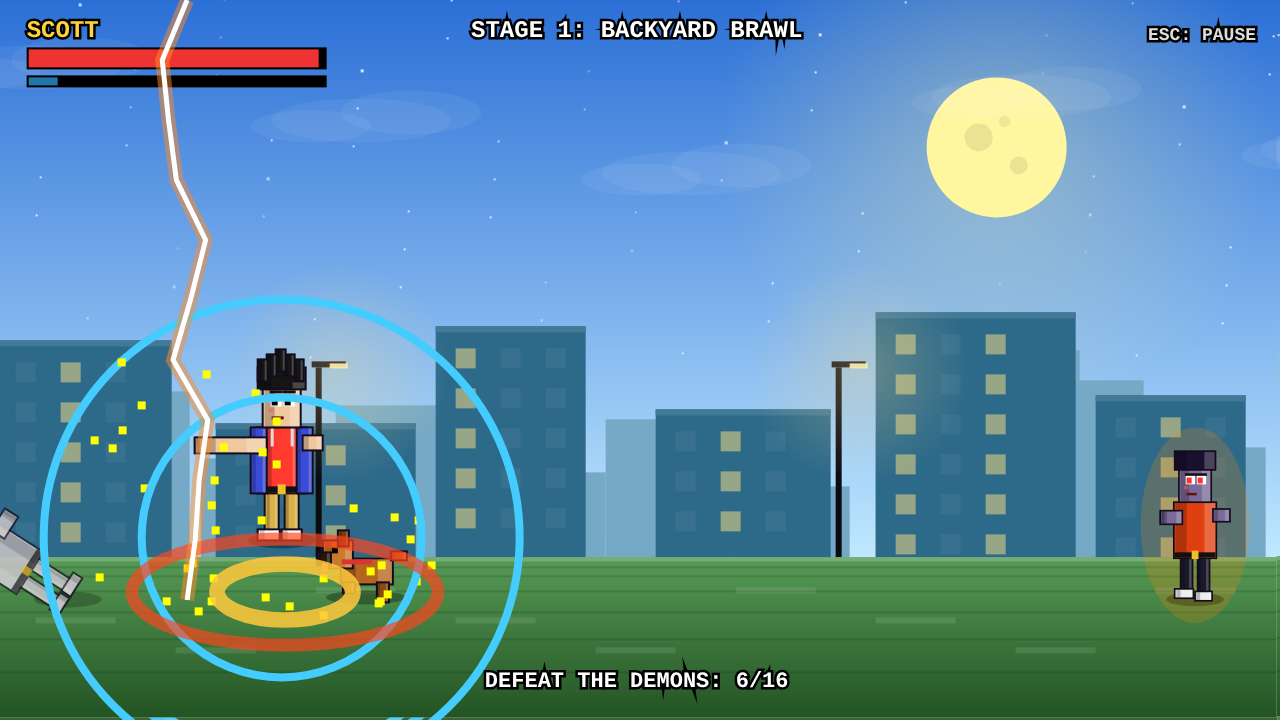
The trailer introduces enemies and combat mechanics involving lightning, throwers, bombers, and summoners. Lightning attacks require attention to the expanding danger zone, while other enemy types create different priorities during a fight. Players must learn to recognise what is happening around Scott and respond before the battlefield becomes overwhelming.
The result is a gameplay experience that asks players to do more than repeatedly attack whatever is closest. They must observe the situation, make decisions, manage threats, and learn from encounters. Every stage offers another opportunity to understand the rules of the battlefield and use that understanding to survive.
Gameplay features
Action-based combat: Fight through encounters filled with dangerous enemies, using awareness, movement, and timing to survive.
Multiple stages: Progress through different environments and challenges, with each stage presenting new situations and enemies to overcome.
Distinct enemy mechanics: Learn to respond to different threats, including lightning-based attacks, throwers, bombers, and summoners.
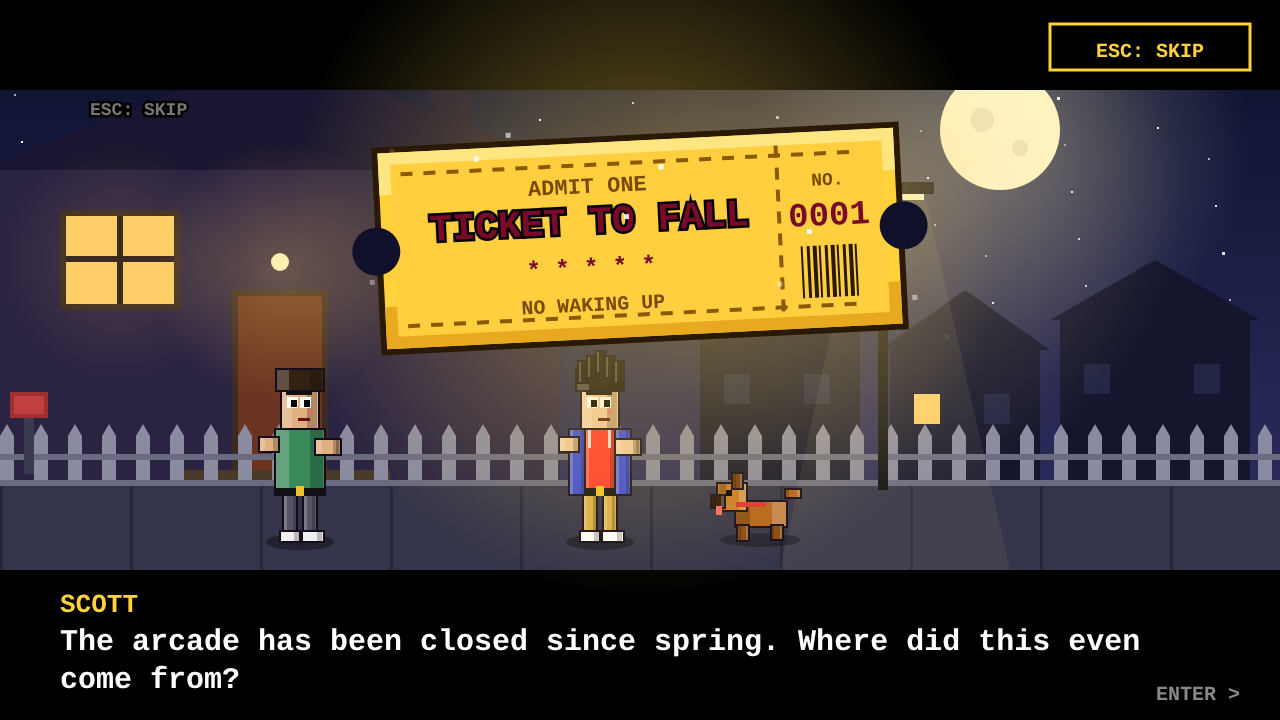
Exploration and interaction: Walk through environments, talk to characters, and examine objects to engage with the world outside combat.
Story-driven moments: Experience narrative scenes and dialogue that give context to the adventure and create space for reflection between battles.
Retro pixel-art presentation: Explore a world presented through pixelated characters, colourful environments, nighttime cityscapes, and arcade-inspired combat displays.
Increasing challenges: Develop your understanding of the game's mechanics as encounters demand more attention, better decisions, and improved reactions.
A personal adventure: Follow Scott's journey through a story that places the relationship between its characters and the idea of facing one's demons at the centre of the experience.
What does it mean to face your demons?
The phrase 'face your demons' is at the centre of Ticket to Fall's identity. On the surface, it describes the enemies Scott must defeat throughout his adventure. But it also opens the door to a deeper interpretation.
Everyone faces struggles that other people may not see. These can include regret, fear, loneliness, disappointment, uncertainty, or the feeling that life is moving in a direction they never expected. Such experiences are not identical to the literal demons in the game, but they provide a meaningful way to understand the story's central theme.
Scott's battles create a space where the player can think about the difference between defeating an enemy and overcoming a problem. Sometimes, the immediate challenge is obvious. Other times, the consequences are harder to understand. The game's narrative moments encourage players to consider the emotions behind the action and the possibility that winning a battle does not automatically resolve everything that led to it.
This theme gives Ticket to Fall room to be both an action game and a personal story. It can offer the satisfaction of overcoming a difficult encounter while leaving players with questions about Scott, his experiences, and what his journey ultimately means.
The emotional side of the adventure
Beneath the combat and colourful pixel art is the opportunity to tell a story that feels personal. Scott is not simply moving from one enemy to another. He is moving through an experience, and the meaning of that experience depends on what happens along the way.
The contrast between quiet exploration and intense battles helps establish different moods. One moment can invite the player to slow down, inspect a room, or engage with a character. The next can place them in a dangerous encounter where every second matters. These shifts create a rhythm between discovery and action.
The game's narrative presentation also leaves room for emotional complexity. The trailer includes the line, 'I won. So why does it feel like I lost?' That question captures an important tension: the difference between achieving a goal and feeling satisfied with the result.
It suggests that Scott's story is interested in more than simple victories. It asks what those victories cost,
Development log
- The Beginning of Tickets to Fall6 days ago
Comments
Log in with itch.io to leave a comment.
iwl just play this if you're bored lol #iwasExperimenting